Standing Cable Hamstring Curl
Targets the hamstrings in isolation without bringing other muscles into it; an excellent substitute when no leg curl machine is available.
Watch the tutorial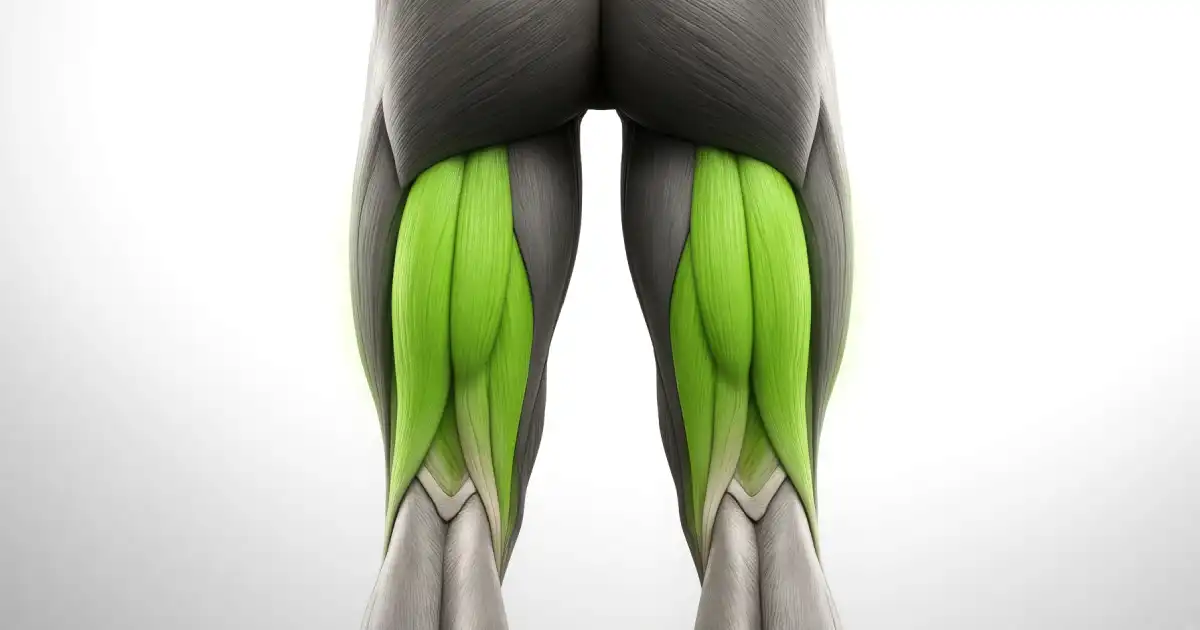
The hamstrings are a group of three muscles at the back of the thigh: the biceps femoris, semitendinosus and semimembranosus. They start at the pelvis and run down behind the knee, which means they act on two joints at once — flexing the knee and extending the hip. That two-joint role is why the hamstrings are central to running, jumping, sprinting and lifting.
Training the hamstrings matters for more than appearance. When the quads are far stronger than the back of the thigh, that imbalance loads the knee and the ACL, and a hamstring strain becomes one of the most common sports injuries. Strong hamstrings protect the knee and lower back, and they also carry over to heavier deadlifts and squats and a more balanced leg shape.
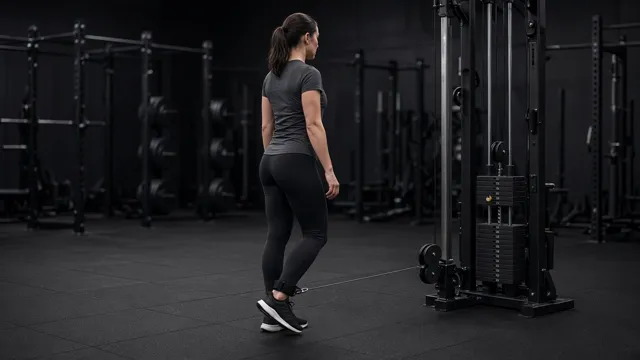
Targets the hamstrings in isolation without bringing other muscles into it; an excellent substitute when no leg curl machine is available.
Watch the tutorial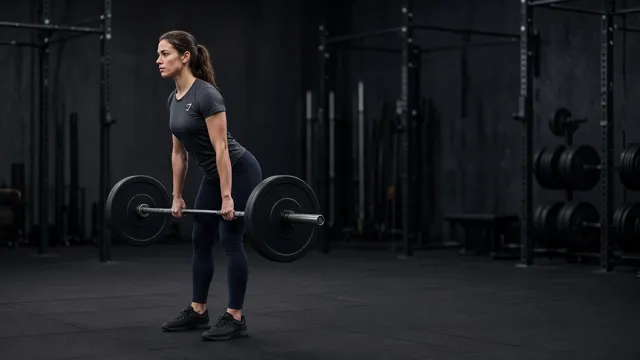
The best movement for building the hamstrings and glutes; because the bar never rests on the floor, tension stays on the muscle for the whole set.
Watch the tutorial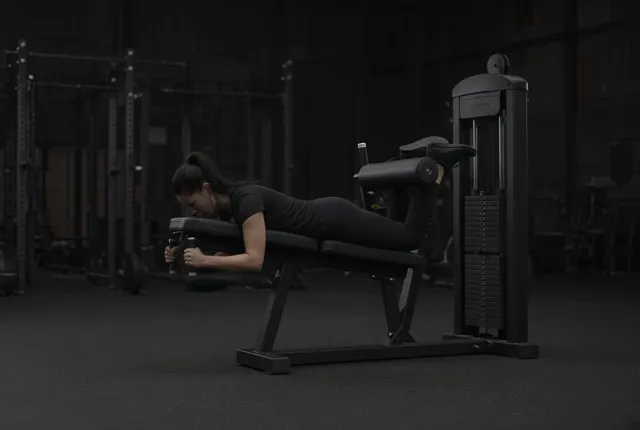
The go-to machine move for isolating the hamstrings — hips pinned to the pad, heels toward your glutes, slow on the way down.
Watch the tutorial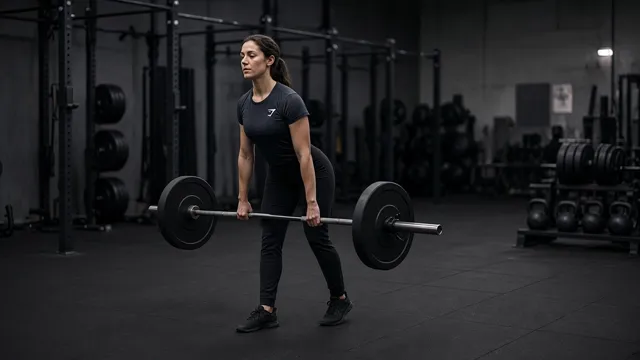
A bridge between the Romanian and the single-leg deadlift; most of the load falls on one leg without balance getting in the way of the work.
Watch the tutorial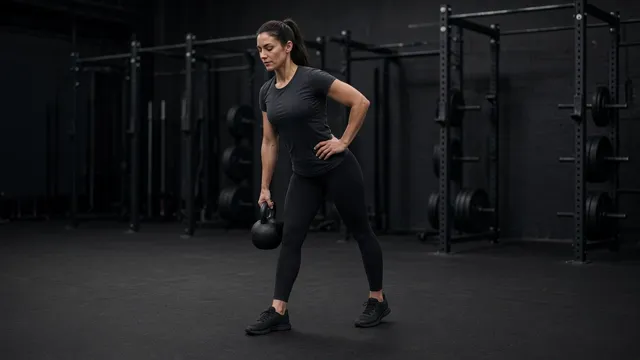
A one-sided load pulls the body into rotation, and resisting it builds the core alongside the hamstrings and glutes.
Watch the tutorial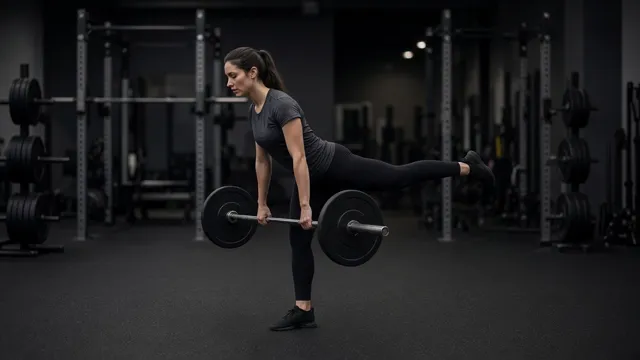
Builds the hamstrings and glutes with a lighter weight but more tension, while taking balance and hip stability to a higher level.
Watch the tutorial